One single pill. That’s all it takes to start a daily ritual that feels totally different from the old way of managing glucose. For a lot of us, medication used to mean needles, sharp edges, and that constant, nagging anxiety about a finger prick.
I still remember those early days after my diagnosis. It felt like I’d been handed a heavy, confusing manual for a machine I never asked to operate. There were so many choices and so many different paths, and I was always worried about making the wrong move. It was like a cloud sitting in the back of my mind.
Then there was the talk about oral options, specifically, the idea of a once-daily tablet that mimics how our bodies naturally respond to food. It sounds simple enough, but when you’re actually staring at a pharmacy shelf, nothing feels simple. You want something that fits into your life, not something that forces you to rearrange your entire existence around a medical schedule.
Rybelsus came into the picture as a way to bridge that gap. It’s not a typical pill you just swallow with your morning coffee and go about your day, though. There are rules. You have to take it a specific way to make sure your body actually absorbs the medicine before breakfast ruins the whole thing.
The Morning Ritual and the Empty Stomach Rule
The biggest hurdle here is how strict the timing is. You can’t just take it whenever you feel like it. If you take it with a glass of water and a piece of toast, you’re basically wasting your dose. Your stomach needs to be nearly empty for the absorption to work.
I found that setting an alarm for the moment I wake up was the only way to stay consistent. You wake up, take the pill with just a tiny sip of water, and then you wait. That waiting period is the hardest part for people used to rushing out the door immediately.
It takes about thirty minutes. Some people say thirty, but I usually wait closer to thirty-five just to be safe. If you eat too soon, the food acts like a sponge, soaking up the medication and carrying it straight through your system without letting it enter your bloodstream. It’s a strange feeling, knowing your breakfast might literally negate your medicine.
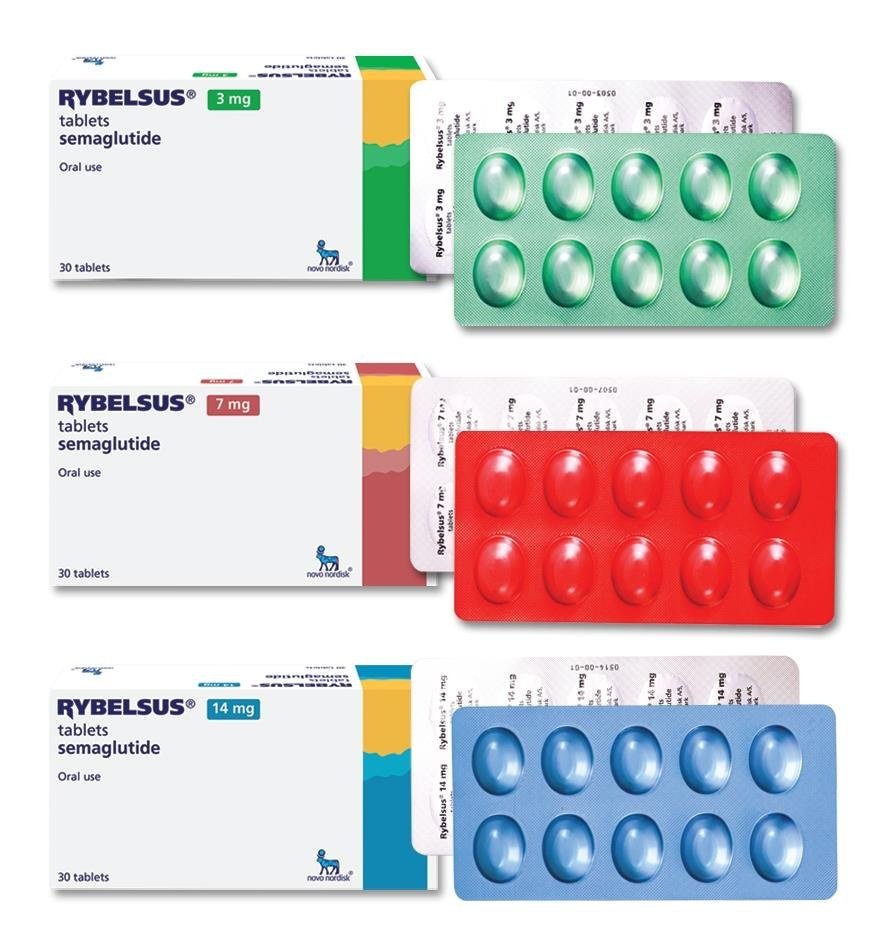
Once you get the hang of it, it becomes muscle memory. You reach for the blister pack, take the tablet, and then use that time to brush your teeth or check your emails. It’s a small window of time, but it’s the most important part of the whole process. If you miss it, you have to wait until the next day. There’s no “making up for it” later in the afternoon.
Does it feel like a chore? Sometimes. But compared to the alternative of multiple injections, it feels like a fair trade. I’d rather deal with a thirty-minute wait than a needle.
Comparing the Oral and Injectable Paths
When you talk to your doctor, the conversation usually turns to how you’ll actually get the medication into your body. You have the weekly shots, which are incredibly effective but require a bit of a mental hurdle to get over. Then you have the daily pill, which feels more “normal” but requires much more discipline regarding timing and food.
I spent a long time weighing these options and looking at how my lifestyle would change under each scenario. For some, the weekly shot is the clear winner because they can forget about it for six days at a time. For others, the daily pill is better because it feels less like “medical treatment” and more like a vitamin.
It really comes down to your personality. If you’re someone who forgets things easily, a weekly dose might be your best bet. If you thrive on a strict routine, the pill works beautifully. Here is how I broke down the differences in my own head:
| Feature | Daily Pill (Rybelsus) | Weekly Injection |
|---|---|---|
| Frequency | Once every single day | Once every seven days |
| Storage | Easy to keep in a pill box | Often requires careful handling |
| Timing | Must be empty stomach | Flexible timing |
| Method | Swallowing a small tablet | Subcutaneous injection |
Some people find the idea of a pill less stigmatizing. You can take it anywhere, as long as you are alone and haven’t eaten. It doesn’t feel as “medical” as pulling a pen out of your bag at a restaurant. It’s a subtle distinction, but for my mental health, it was a massive one. It allowed me to feel like a person with diabetes, rather than a patient.
If you are looking for more information or perhaps exploring different ways to manage your supplies, you might find yourself searching for rybelsus online to see what your options are. Having that information ready can help you feel more in control of your healthcare journey.
Managing the Digestive Side Effects
We have to talk about the stomach stuff. It is the elephant in the room with this class of medication. Because these drugs work by slowing down how fast your stomach empties, your body has to get used to the new speed. It is a slow shift in how your digestion operates.
In the beginning, I felt a bit nauseous. It wasn’t a violent feeling, but more of a dull, persistent queasiness that sat in the back of my throat. It usually hit around the time I would normally be reaching for my first snack. I had to learn how to listen to my body and realize that feeling a little full, even when I hadn’t eaten much, was actually a sign the medicine was doing its job.
Eating smaller, more frequent meals helped a lot. Instead of the big, heavy dinners I used to love, I started eating smaller portions more often. This prevented that “too full” feeling that used to trigger the nausea. It was a shift in my relationship with food, but a healthy one in the long run.
A few things that helped me manage the transition:
- Avoiding heavy, greasy foods during the first few weeks.
- Drinking plenty of water, but not a huge amount all at once.
- Eating slow, mindful meals instead of rushing through them.
- Keeping light snacks like crackers on hand for when I felt a bit off.
It gets better. The body is remarkably good at adapting to new patterns. For me, the nausea faded after the first month. I stopped thinking about it entirely, which was the real goal. You want to live your life, not spend your day thinking about your digestion.
The Mental Shift of Long-Term Management
Managing diabetes is as much a mental game as it is a physical one. There’s a certain exhaustion that comes with constantly checking numbers and thinking about every bite of food. It is a heavy mental load to carry every single day. When you start a new medication, there’s a sense of hope, but there’s also a sense of pressure. Will this be the one that works? Will this be the one that makes me feel sick all the time?
I found that the most important thing wasn’t the number on the glucose monitor, although that matters. The most important thing was how I felt. Was I more energetic? Was I less foggy? Was my mood more stable? The medication is a tool, but it isn’t a magic wand. It works alongside the work you do every day with your diet and exercise.
I stopped looking at my blood sugar as a grade on a test. It isn’t a score that tells me if I am a “good” or “bad” person. It is just data. It’s information that tells me if the medicine is working or if I need to adjust my lunch. This shift in mindset was life-changing. It removed the shame from the process.
Sometimes, things go wrong. You have a bad day, you eat something you shouldn’t, or you forget your pill. It happens. The key is to not let one bad day turn into a bad week. You just get back on the routine. You take the pill the next morning, you eat your breakfast thirty minutes later, and you move on. It is a marathon, not a sprint.
Consistency is everything. You cannot treat this like a hobby. It requires a steady, rhythmic approach to your health. Once that rhythm is established, though, it becomes a quiet part of your life. It stops being a crisis and starts being just another part of your morning.
Eat your protein first during meals to help with satiety.